


Verdure Atelier™
The Trust Deficit in Luxury: Why Taste Is Not Enough Anymore
It begins quietly. A glance at a polished ad. A tap on a phone. A scroll past perfect skin, sea-view villas, and stitched-on monograms. For a second, you’re enchanted. And then, just as quickly, you’re not. Something in you doesn’t trust it. This is the silent crisis sweeping through the luxury industry. A trust deficit. Not because the clothes are any less beautiful, or the runways any less polished—but because the consumer has changed faster than the brands. They no longer just want to look good. They want to believe. And belief requires more than heritage. It requires transparency, empathy, participation. It requires brands to behave less like castles and more like mirrors.
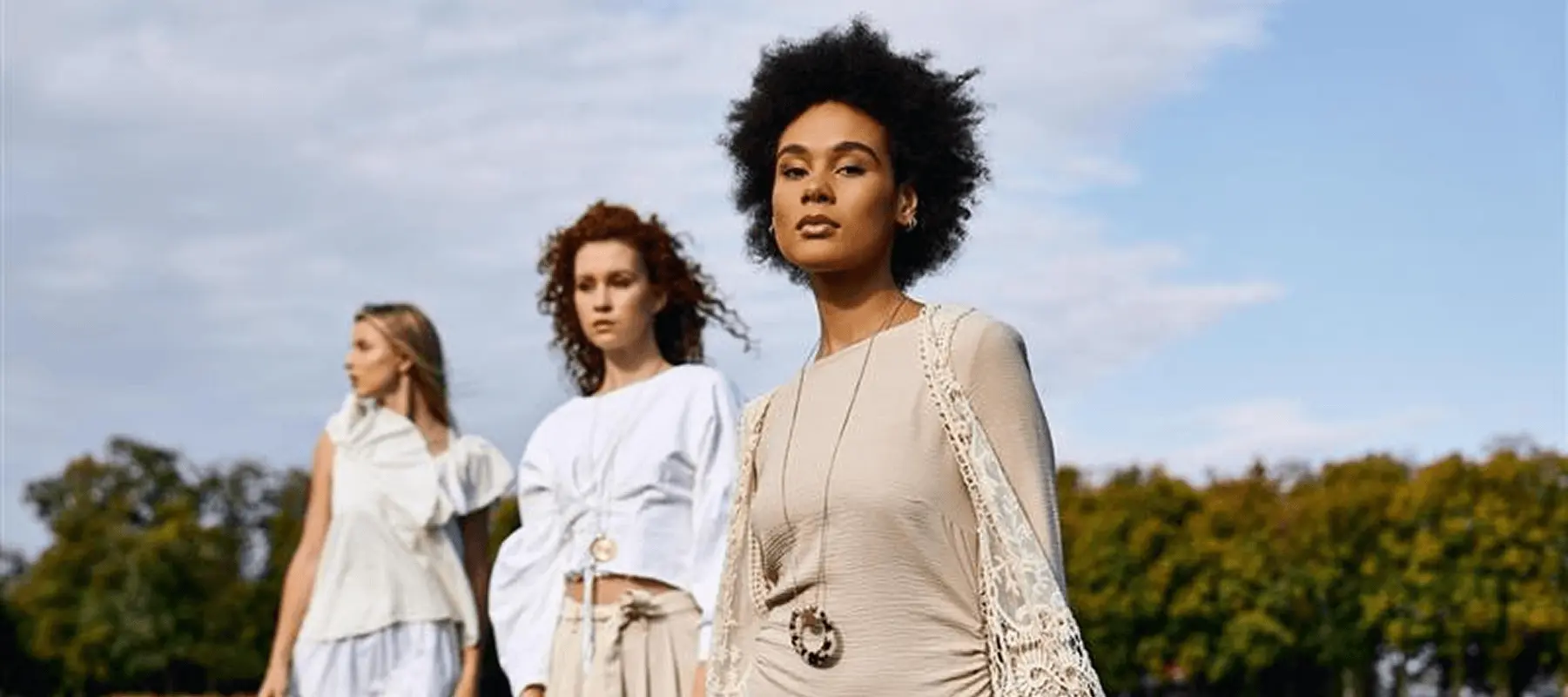

The Taste Economy Is Collapsing
Luxury used to trade in taste. If you had it, you belonged. If you didn’t, you paid to be let in. But Gen Z and Millennials—who now drive nearly $400 billion of annual luxury spend globally—aren’t buying entry. They’re buying identity. And they’re skeptical of what luxury once stood for: exclusion, opacity, and overconsumption disguised as elegance.
According to Bain & Co, by 2030, 70% of global luxury sales will come from Gen Z and Millennials. Yet 63% of them say they don’t trust luxury brands to act ethically. What’s shifting is not just the aesthetic—it’s the ethos. The new buyer doesn’t want more. They want meaning. That’s where the Trust Gap begins.
Life-First Means Animal-Free , But That’s Only the Start
Aanya, 31, is a design director in Bangalore. She grew up idolizing European luxury houses. She bought her first designer bag at 24 with her startup bonus. By 30, she had a wardrobe worth a car. Then came the cracks: a $3000 jacket that frayed after a season. A bag “crafted in Italy” that turned out to be outsourced to Tunisia. A customer service line that sounded more like a call center than a couture house.
“I didn’t feel proud anymore,” she said. “I felt played.” She hasn’t stopped buying beautiful things—but she’s shifted who she buys from: indie ateliers, designers who show their process on Instagram, platforms that offer repair and resale. To her, trust is the new status symbol. She’s not alone.
The Transformational
Economy Arrives
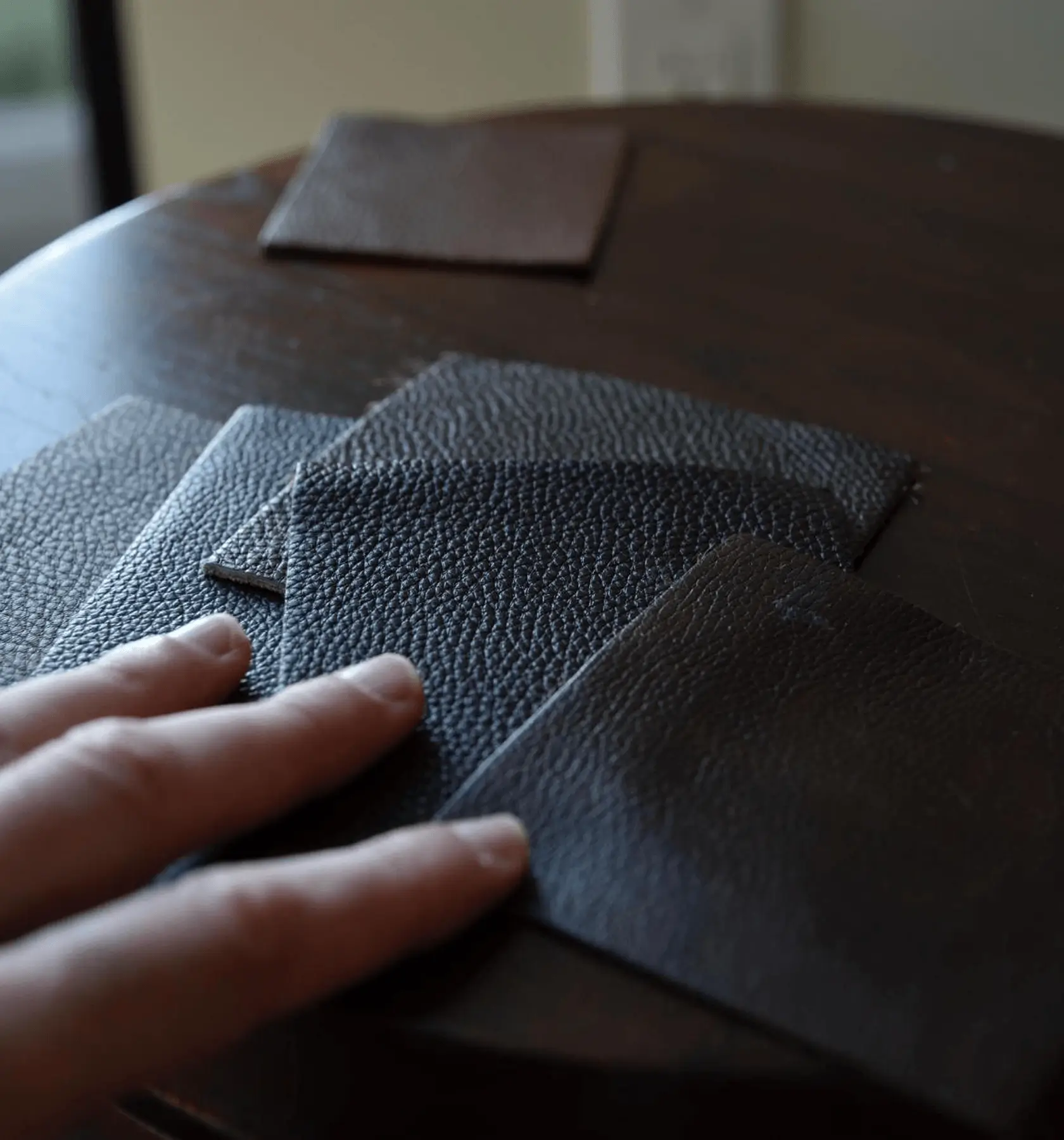
Economists call it the rise of the transformational economy—a market where consumers don’t just want products, but change. They want brands to change them, and help change the world too. “People are moving from consumption to participation,” notes the Harvard Business Review. “From passive buyers to active co-creators of value.”
Luxury is no longer just a possession. It’s a vote.
A vote for how we treat labor. How we treat land. How long we keep things. What we repair, what we return, and what we refuse to normalize. At Verdure Atelier, we see this not as a threat—but as the deepest opportunity. Because if you’re willing to be honest, the new client will meet you there. And they’ll stay.
Anatomy of the Trust Gap
So what broke the contract between luxury and its audience? Four things:
1. Opacity
Where does it come from? Who made it? What happens when it breaks? Most brands still answer in vague poetry.
2. Vanity Without Accountability
Customers see climate pledges and diversity promises. But they don’t see proof. Only 17% of fashion brands globally publish even partial supplier lists. (Fashion Transparency Index, 2025)
3. The Green Gloss
Sustainability is the new PR script—but real scrutiny exposes inconsistencies: plastic-based "vegan leathers," offset schemes with no traceability, and biodegradable claims with zero standards.
4. Post-Purchase Silence
Once the sale is done, most brands disappear. But today’s luxury buyer wants a brand that stays. Through repairs, resale, care, and conversation. That’s the blueprint for trust.
What Trust Looks Like in 2026
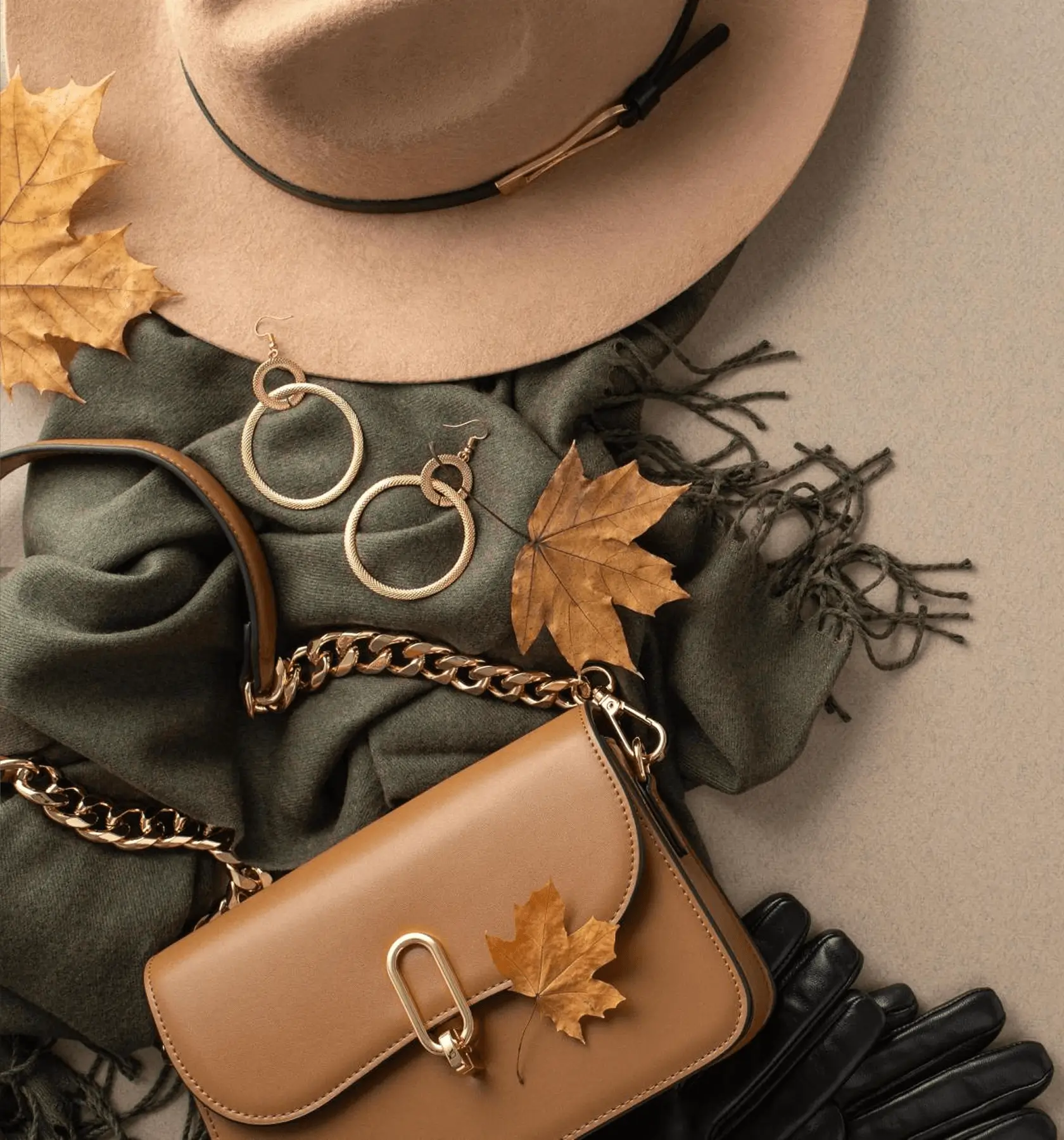
It’s no longer about exclusivity. It’s about intimacy.
- Repair services that feel like rituals, not customer service.
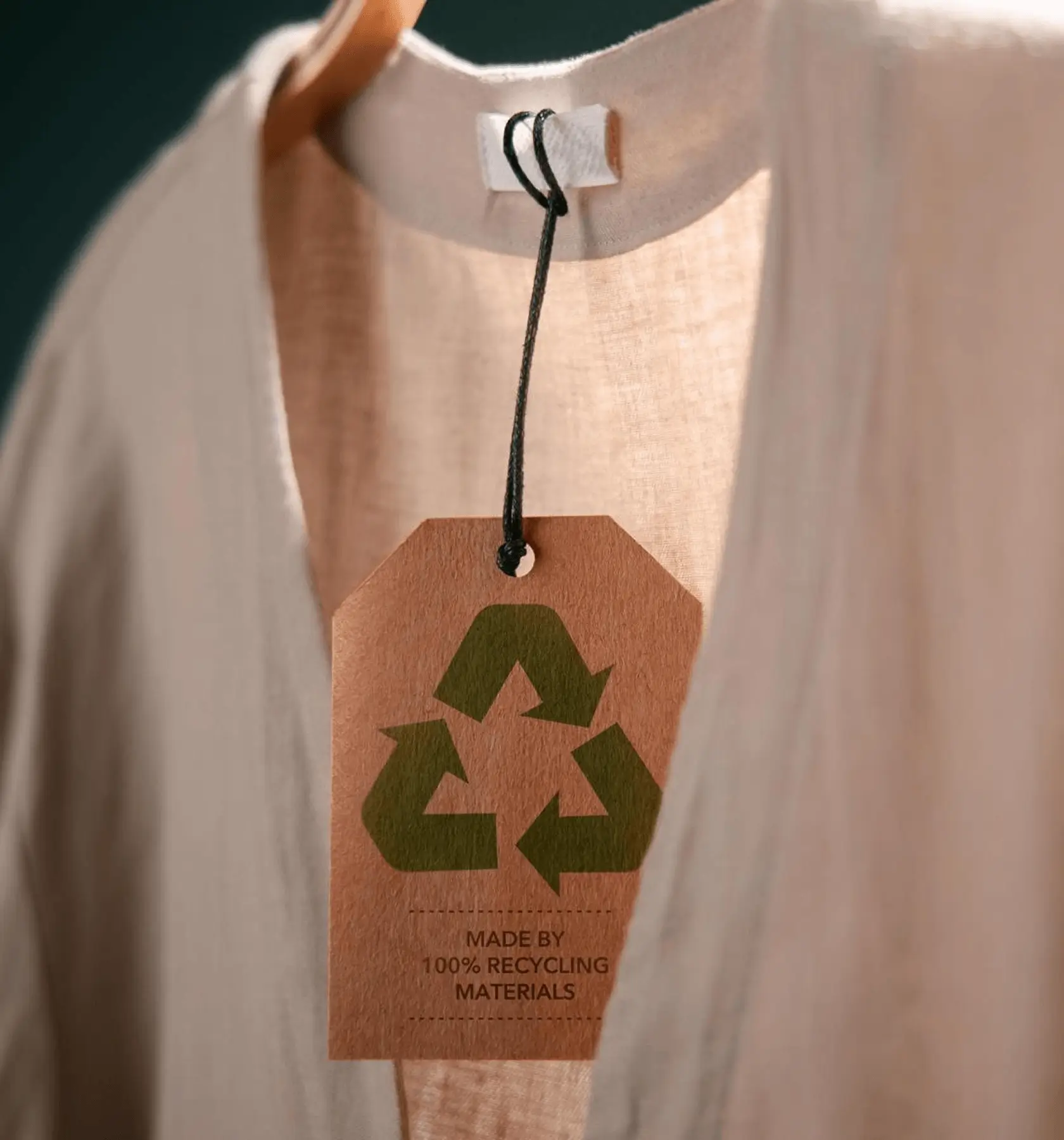
- Product passports that let you trace your garment’s story from soil to sale.
- Transparency reports that talk like humans, not hedge funds.
- Resale platforms backed by the brand, not a third party.
Most of all, it’s about language. A tone that’s not preaching, not posturing—but participating. That’s how you bridge the gap.
At VA, we call this Life-First trust.
Scene Two: A Jacket, A Promise
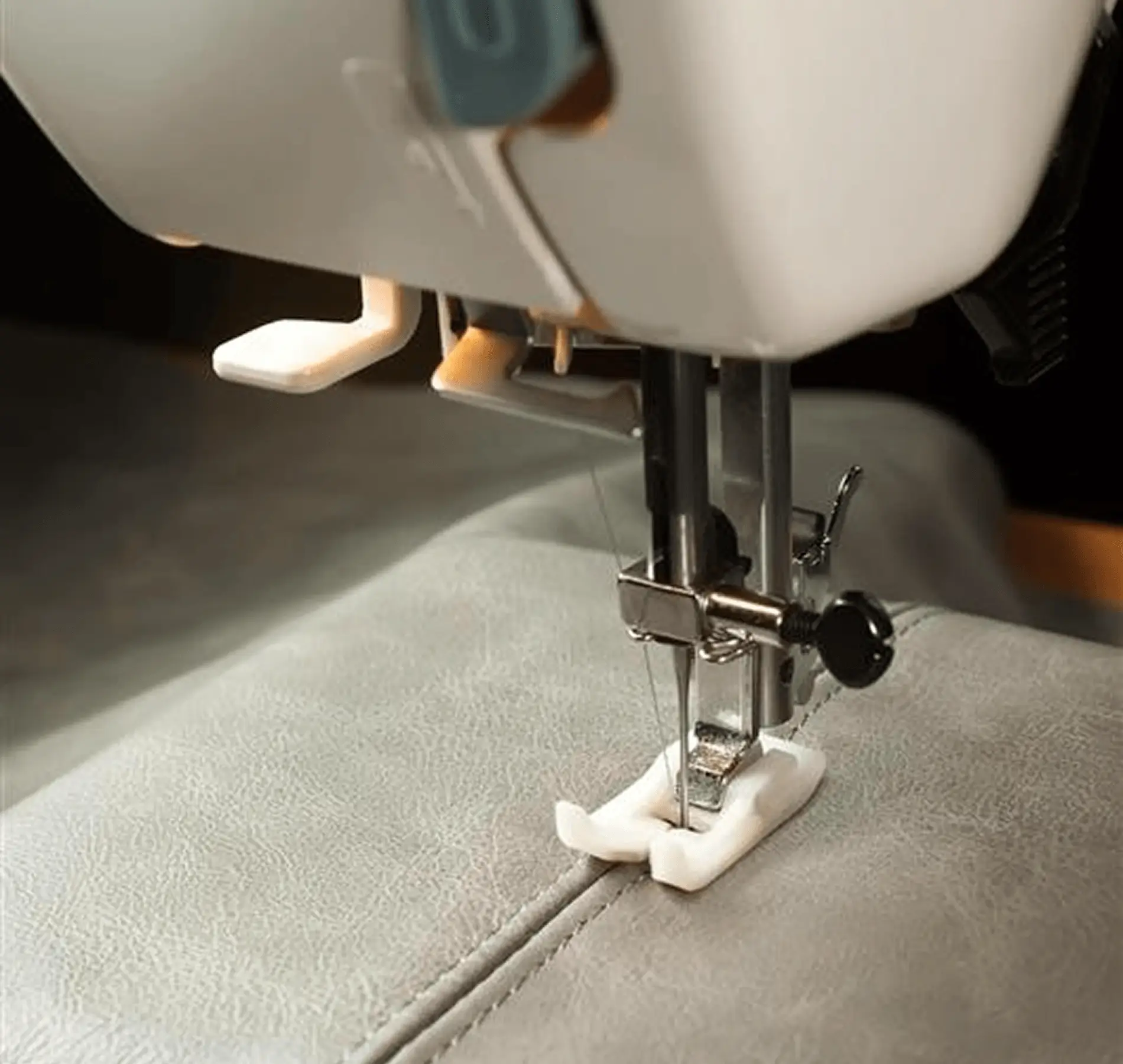
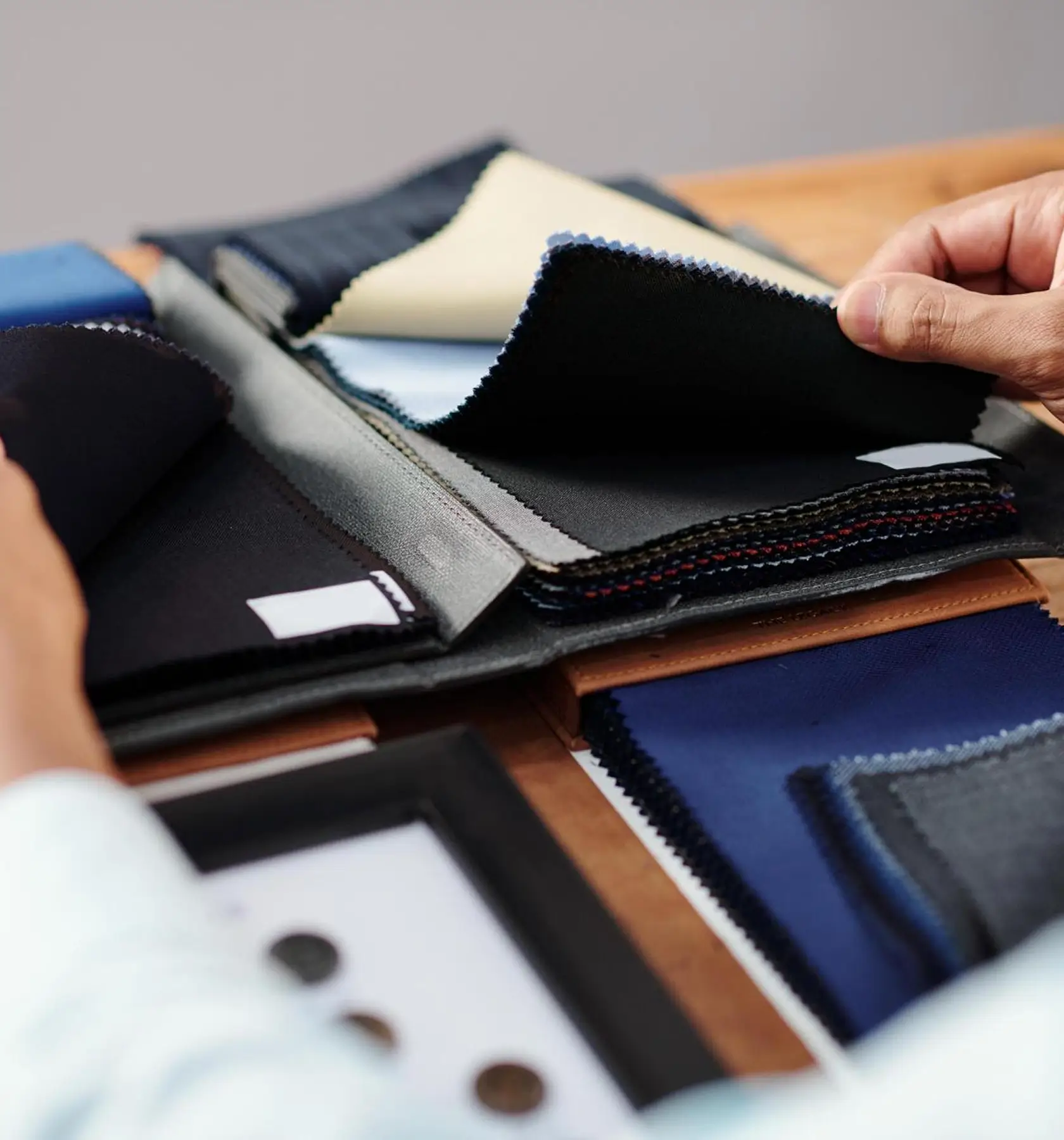
In 2023, a client sent back a VA jacket for a minor button repair. We fixed it in three days, added a stitched-in patch of the original dye lot (so she could do it herself next time), and sent it back with a handwritten note. She posted it on Instagram with six words: “This is why I buy here.” That repair cost us $22. It earned us a customer for a decade. Trust isn’t built by campaigns. It’s built by small acts that add up. Quiet consistency. Human signals.
We’ve woven that into our model with 100% of pieces traceable back to raw material, custom care cards with each garment, repair coverage for 5 years, verified resale partnerships.
Not because it’s trendy. But because luxury without aftercare is theatre. And our audience lives in reality.
The Risk of Staying Shallow
Brands who ignore the trust gap may keep their halo for a while. But the erosion is happening underneath:
- Loyalty declining (repeat purchase down 18% YoY)
- Word-of-mouth influence overtaking advertising
- Gen Z’s attention shifting to authentic micro-brands
As a Bain partner put it in their 2025 forecast: “In five years, trust will matter more than trend.” And trust isn’t earned in a lookbook.
What’s Next: From Statements to Systems
It’s not enough to say the right things. The future is infrastructure-first luxury:
- Build backend systems that support returns, repairs, circularity
- Invest in radical traceability
- Be willing to admit imperfection publicly
- Share margins, methods, and material logic
Because belief is no longer a given. It must be earned—and re-earned—across every touchpoint.
Final Thought: The Future Is Slow, and Intimate
The Trust Deficit will define the next decade of luxury. And the brands that survive will be the ones that make honesty feel beautiful. At Verdure Atelier, we’re not just dressing bodies. We’re building a house where trust wears well. Season after season, repair after repair, life after life.
That’s the new exclusivity: being known, being believed, and being kept.
Related Journals
Oct 09, 2025
Beauty Without Harm
The luxury and apparel industries continue to scale faster than the planet can sustain. Global apparel emissions reached
step inside the story
Nov 19, 2025
Dressed Becomes a Moral Act
There is a quiet moment most mornings when your hand reaches into the wardrobe. A blazer. A dress.
step inside the story
Dec 09, 2025