


Verdure Atelier™
Life-First in an Age of Excess
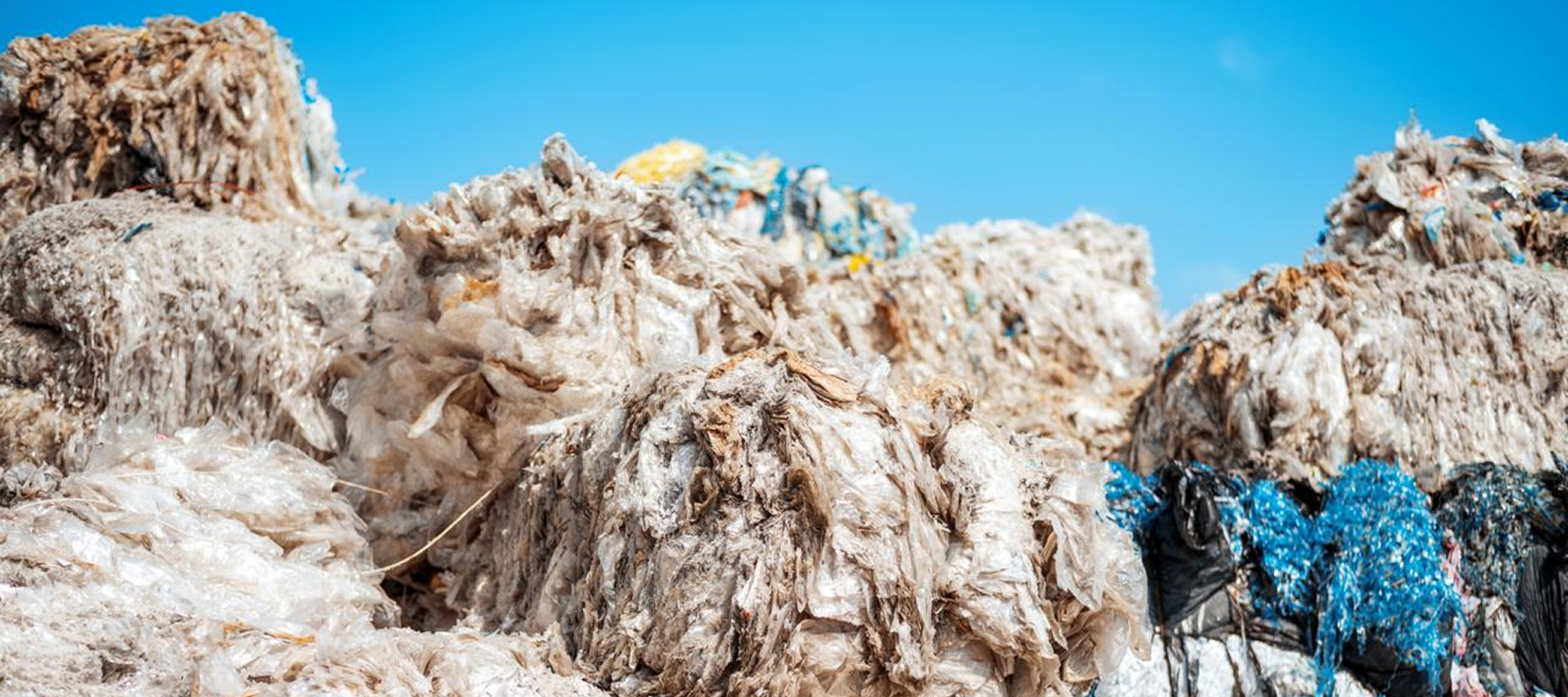
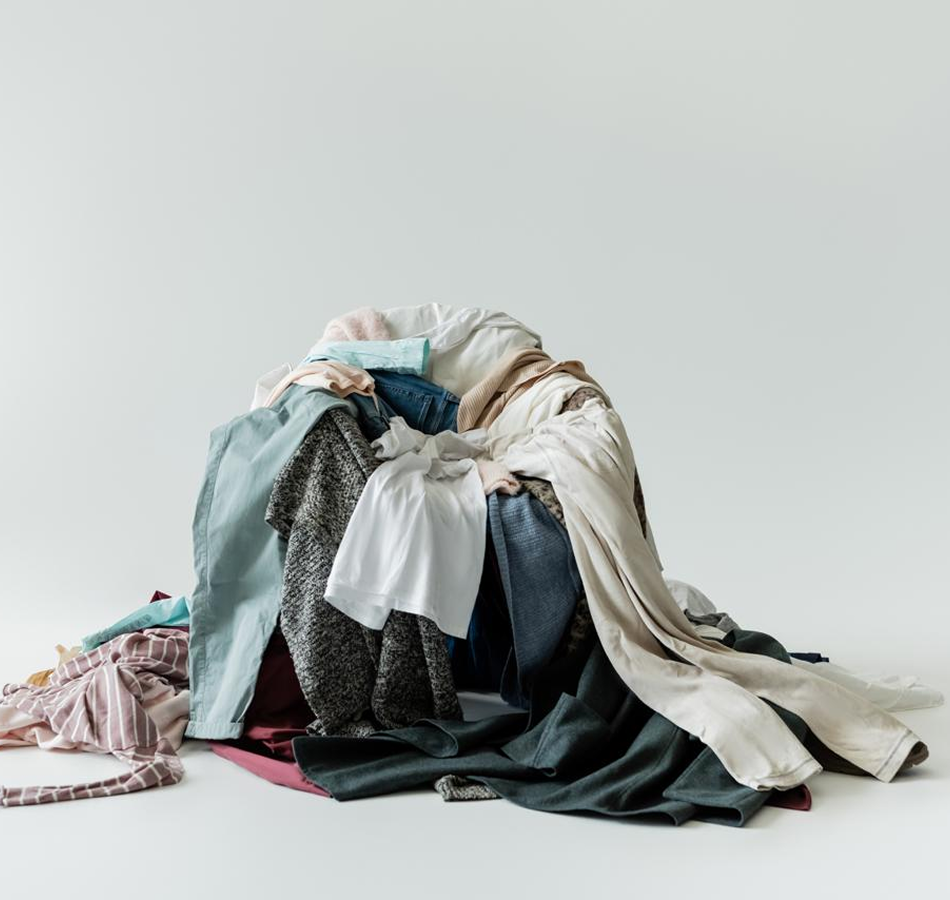
Open any wardrobe in any major city and the pattern is the same: too much, worn too little, discarded too fast. The numbers are now well documented. Every year, the world produces around 92 million tonnes of textile waste , roughly the weight of a garbage truck full of clothing being landfilled or burned every second. Fashion’s climate tab is just as sharp. Depending on the methodology, clothing and footwear are responsible for around 2–10% of global greenhouse gas emissions, more than the emissions of some major economies combined. For an industry that sells aspiration, the footprint is surprisingly heavy.
The Quiet Cost of Getting Dressed
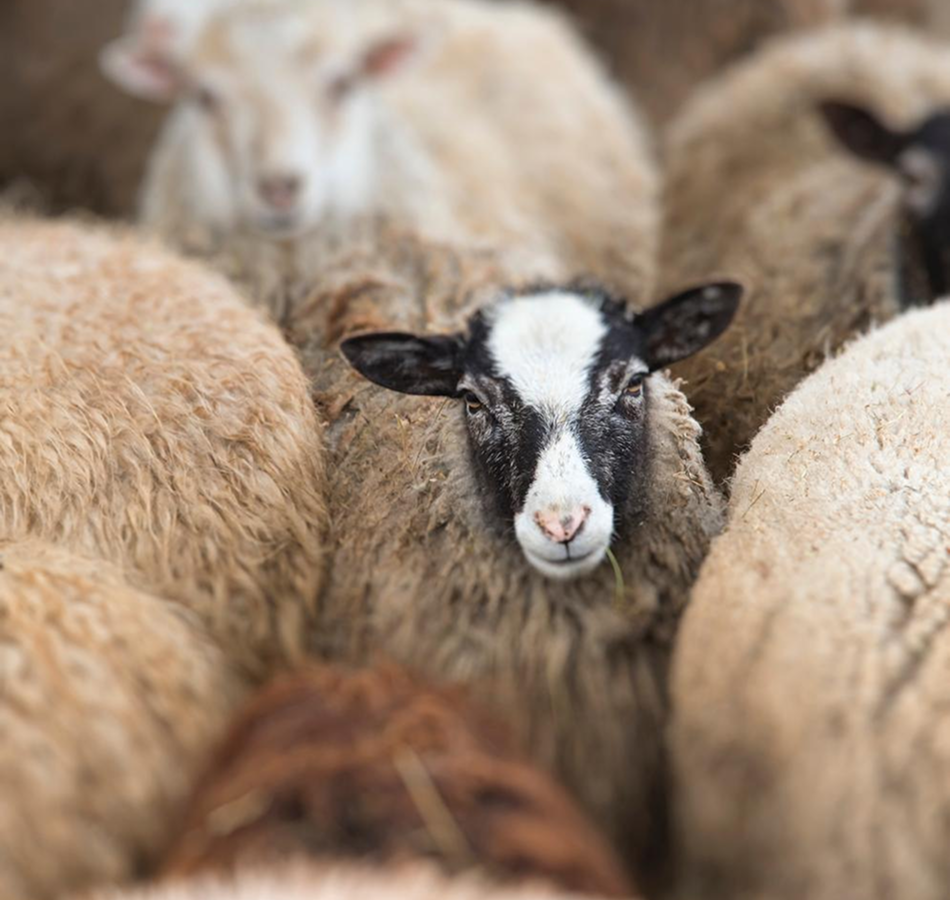
The story is no longer only about overproduction or polyester. It’s also about who, and what, sits behind a “classic” leather bag or a pair of boots described as timeless. Each year, more than one billion animals are killed for the leather trade alone, from cows and calves to sheep, goats and pigs.
For decades, leather has been framed as a by-product of meat. Increasingly, legal scholars and animal-rights researchers have pointed out the obvious economic reality hides and skins are a profit centre that actively incentivisesintensive livestock production, with all of its land, water, methane and welfare implications.
This is the part of the wardrobe most labels still keep politely off the swing tag. Verdure Atelier starts by putting it on the table.
When Regulators Start Reading Labels
In recent months, regulators have begun to do what consumers alone couldn’t call time on vague environmental adjectives. In December 2025, the UK Advertising Standards Authority banned a series of “sustainable” fashion ads from Nike, Superdry and Lacoste for misleading green claims. The problem was not intent but evidence broad promises of “eco-friendly” and “sustainable materials” without robust life-cycle proof. It follows earlier crackdowns on retailers such as Asda, Asos and Boohoo for similarly elastic language.
The direction of travel is clear. Words like sustainable, conscious and responsible are no longer design cues. They are potential legal liabilities unless the data beneath them is defensible.
For a Life-First brand, this is not a threat. It is a design brief.
From Ownership to Stewardship
Verdure Atelier’s hypothesis is straightforward - A modern wardrobe should behave more like a ledger than a trophy cabinet.
Instead of counting pieces, it should keep score of impact:
- How many kilos of textile waste you have diverted from landfill or incineration through repair, resale or formal take-back schemes.
- How much water, energy and carbon you have avoided by choosing low-impact, non-animal, and long-life materials over conventional fast-fashion options.
- How many animals were not bred and slaughtered because your bag, shoe or coat did not require a skin.
The tools are already emerging. Blockchain and product-passport standards make it technically feasible to track a garment from fibre to final use. Textile-to-textile recycling plants are being scaled in Vietnam and Europe to turn old polyester garments back into feedstock, with capacities forecast in the hundreds of thousands of tonnes.
VA’s role is to translate this infrastructure into something intimate and legible: a calm, visual ledger that sits beside your wardrobe rather than inside a sustainability report.
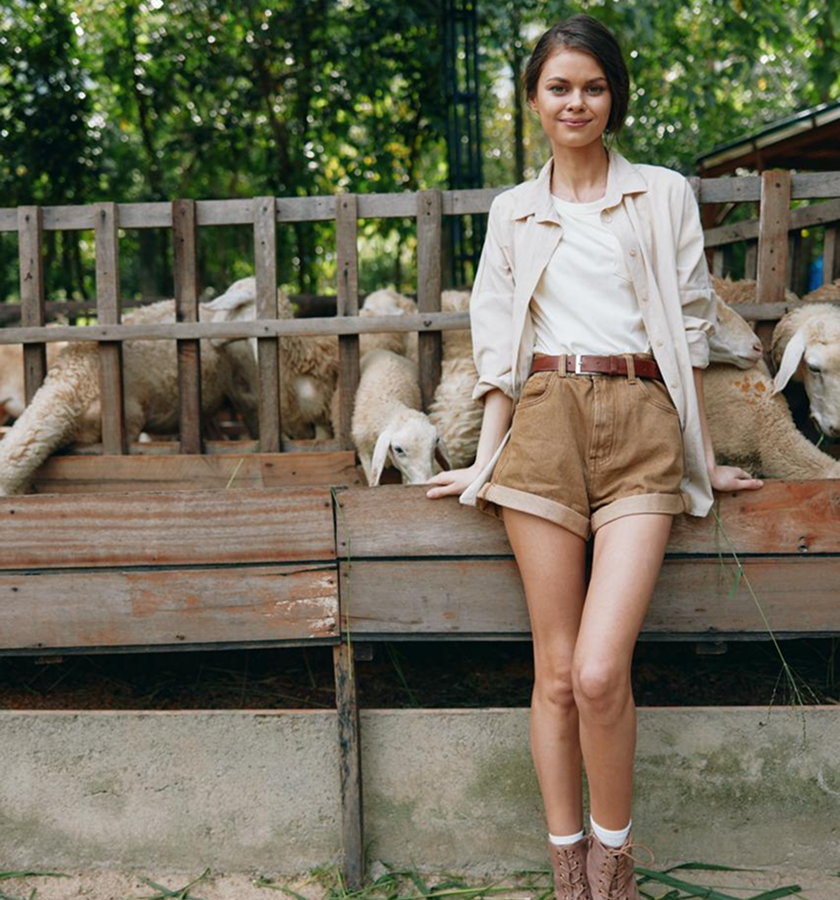
Life-First Means Animal-Free , But That’s Only the Start
The shift away from animal skins is no longer fringe. The vegan and bio-based leather category is moving from experiment to line item. One recent analysis values the global vegan leather market at around USD 11 billion in 2025, with projections of almost USD 28 billion by 2034, driven by double-digit annual growth.
Alongside this, bio-based leather , built from plant and waste streams rather than fossil or animal inputs , is forecast to grow steadily through the next decade.
But simply swapping cow skin for plant-based PU and calling it a day is not enough. From a Life-First perspective, a material must answer three questions:
1. What did it demand?
- Land, water, chemistry, labour, animals?
2. How does it live?
- Does it age, repair and patinate with the user, or does it peel and split on year two?
3. Where does it go?
- Can it be safely recycled or metabolised back into another useful state, or is it destined to become another layer in a landfill archaeology of trends?
Verdure Atelier’s position is deliberately strict:
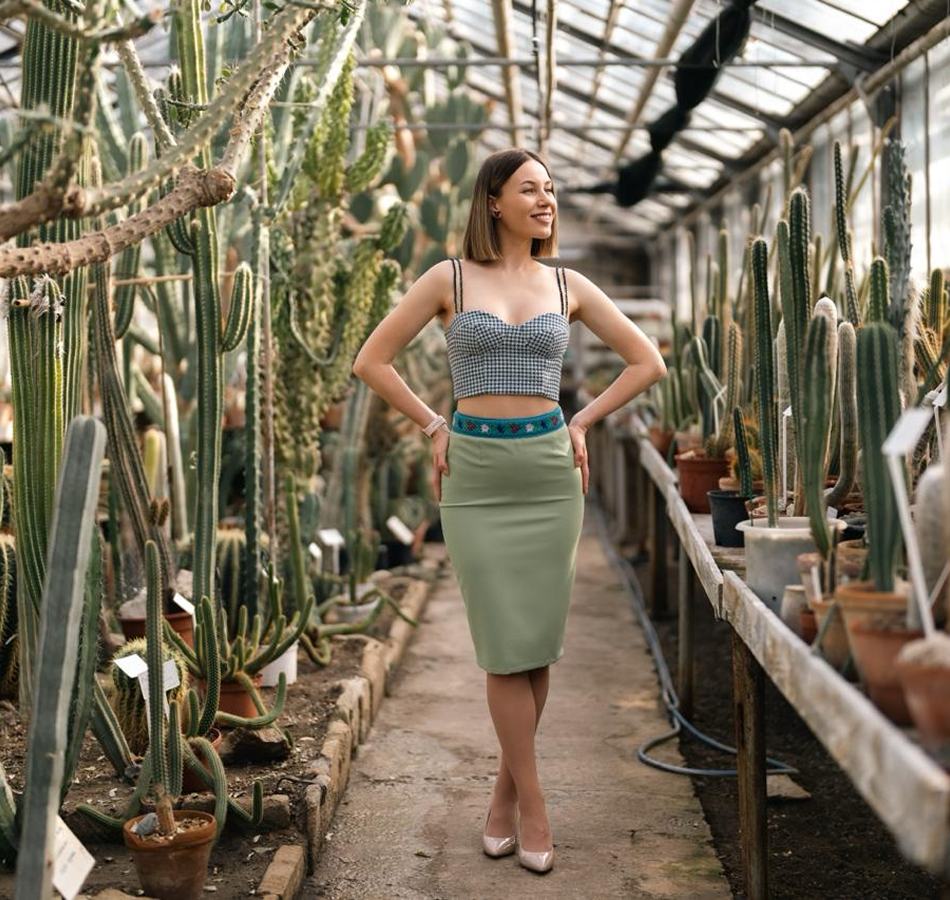
- No leather, wool, silk, down, fur or feathers.
- No “light-touch” use of animals hidden behind supply-chain jargon.
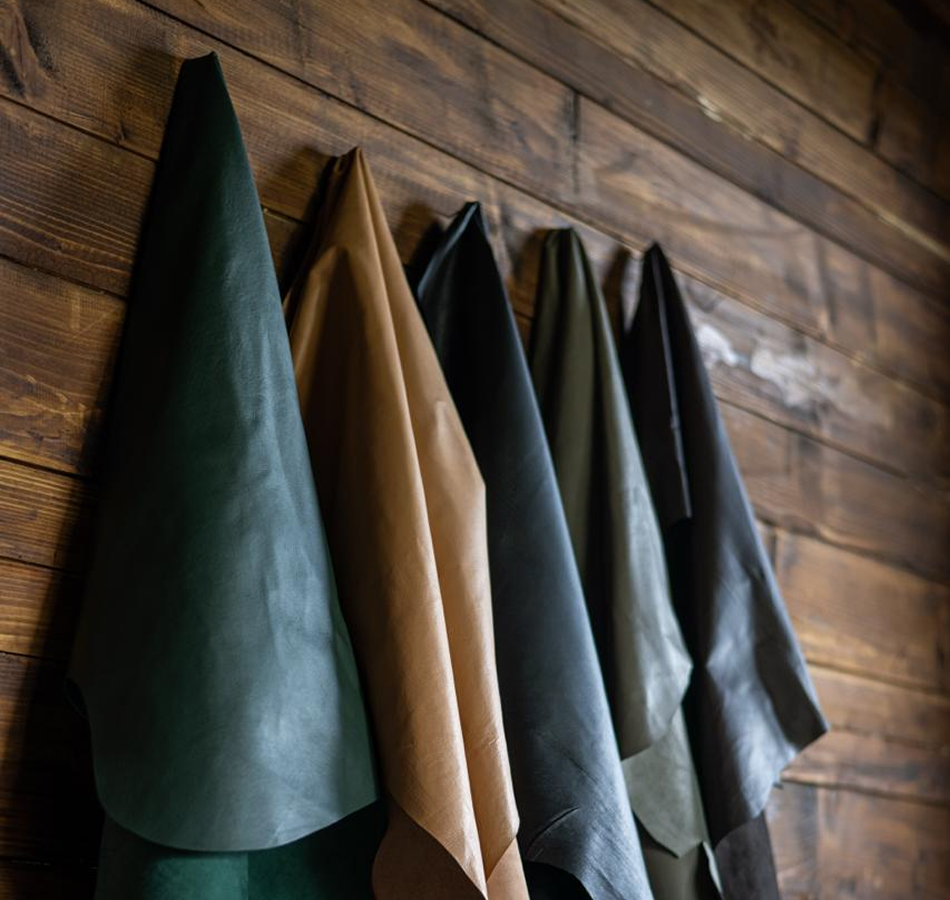
- Preference for plant-based, bio-based and recycled inputs that can sit inside a cradle-to-cradle loop rather than a take-make-waste pipeline.
Designing for Fewer, Better Relationships
A Life-First wardrobe is not maximalist. It does not chase every drop, collab or capsule. It rewards discernment. Practically, it looks like:
- Seasonless silhouettes that outlive micro-trends and algorithmic mood swings.
- Repair and refurbishment baked into the product journey from day one, not introduced later as reputational insurance.
- Product passports that make it clear who made what, where, and under which conditions.
- Formal return paths so that garments and accessories can be recirculated, deconstructed or reborn as material , not quietly exported or burned.
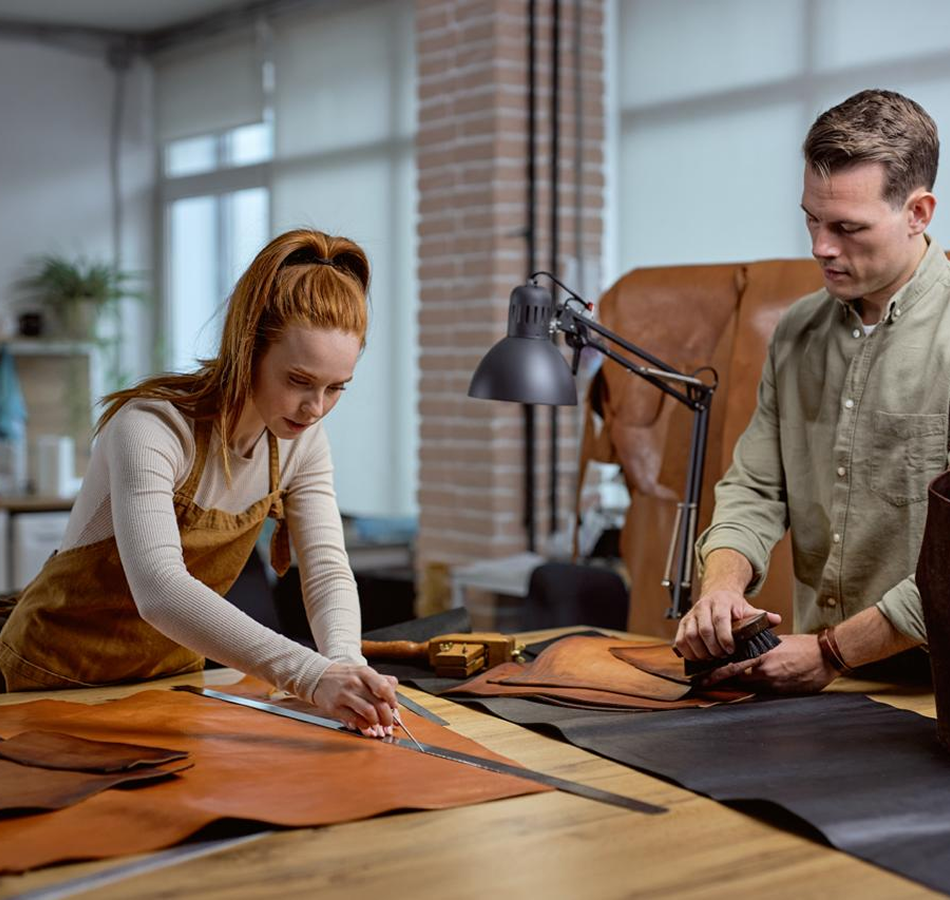
For Verdure Atelier, this is less about marketing copy and more about choreography: aligning design, sourcing, logistics, data and aftercare around the idea that no other life should be sacrificed for style.
VA’s Working Commitments for the Year Ahead
For this year’s design and strategy cycle, Verdure Atelier is orienting around three working commitments:
1. From Storytelling to Accounting
- Each product should be able to show its work: origin, key impact metrics, and end-of-life options in a way that can be interrogated, not simply admired.
2. From Customer to Co-Steward
- VA is building towards a personal impact ledger where wearers can see , in numbers, not adjectives , how their choices affect waste, emissions and animal use over time.
3. From Noise to Signal
- Instead of seasonal hype, the brand will prioritise a smaller number of rigorously designed, high-utility pieces whose justification is clear on both aesthetic and ecological grounds.
A Question for the Month
At some point each year, most of us attempt a reset , a new language, a race, a degree, a project that quietly rewrites who we are. This month, Verdure Atelier suggests a simpler, quieter experiment.
Before buying anything new, ask:
“Does this piece extend life, or does it quietly subtract from it?”
If the answer is ambiguous, it might not deserve a place in your wardrobe , or in the world. Verdure Atelier exists to make it easier, and more beautiful, to choose otherwise.
Related Journals
Nov 19, 2025
Dressed Becomes a Moral Act
There is a quiet moment most mornings when your hand reaches into the wardrobe. A blazer. A dress.
step inside the story
Oct 09, 2025
Beauty Without Harm
The luxury and apparel industries continue to scale faster than the planet can sustain. Global apparel emissions reached
step inside the story
Sep 23, 2025