


Verdure Atelier™
When Getting Dressed Becomes a Moral Act
Why Verdure Atelier chooses life first, not trend first
There is a quiet moment most mornings when your hand reaches into the wardrobe. A blazer. A dress. A shirt you’ve worn to both promotion meetings and heartbreak dinners For years, fashion trained us to treat that moment as a styling decision. What looks good? What feels new? Rarely: What keeps someone, or something, alive?
Verdure Atelier was born from the belief that getting dressed is no longer a neutral act. It is a vote. For land or landfill. For forests or feedlots. For living beings or disposable things. We are not here to add more clothes to an already crowded planet. We are here to redesign the relationship between our wardrobes and life itself.
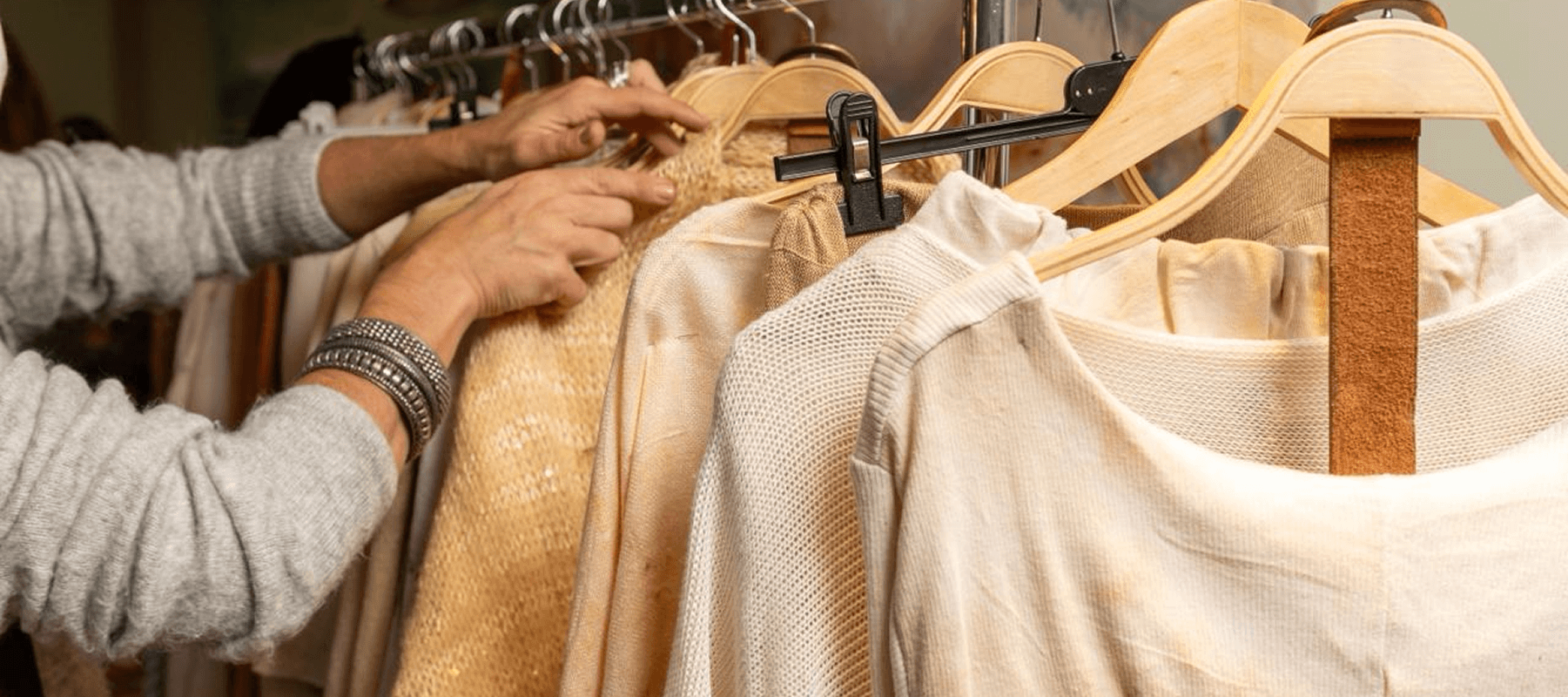
The cost of a beautiful outfit
The modern clothing system is astonishingly efficient at hiding its true cost.
- The fashion industry is responsible for an estimated 2-8% of global carbon emissions and is one of the largest consumers of water worldwide.
- Most animal skins used in handbags, shoes and outerwear come from industrial farming and heavy-chemical tanning processes that pollute rivers and impact local communities.
- Less than a fraction of garments ever see a genuine second life; most are burned or buried within a few short years of production.
These are not abstract numbers. They show up as toxic rivers near tanning districts, as disappearing grazing lands, as workers in invisible supply chains handling chemicals without proper protection.
For years, the default story was: good design or good conscience—choose one. Verdure Atelier exists to refuse that choice.
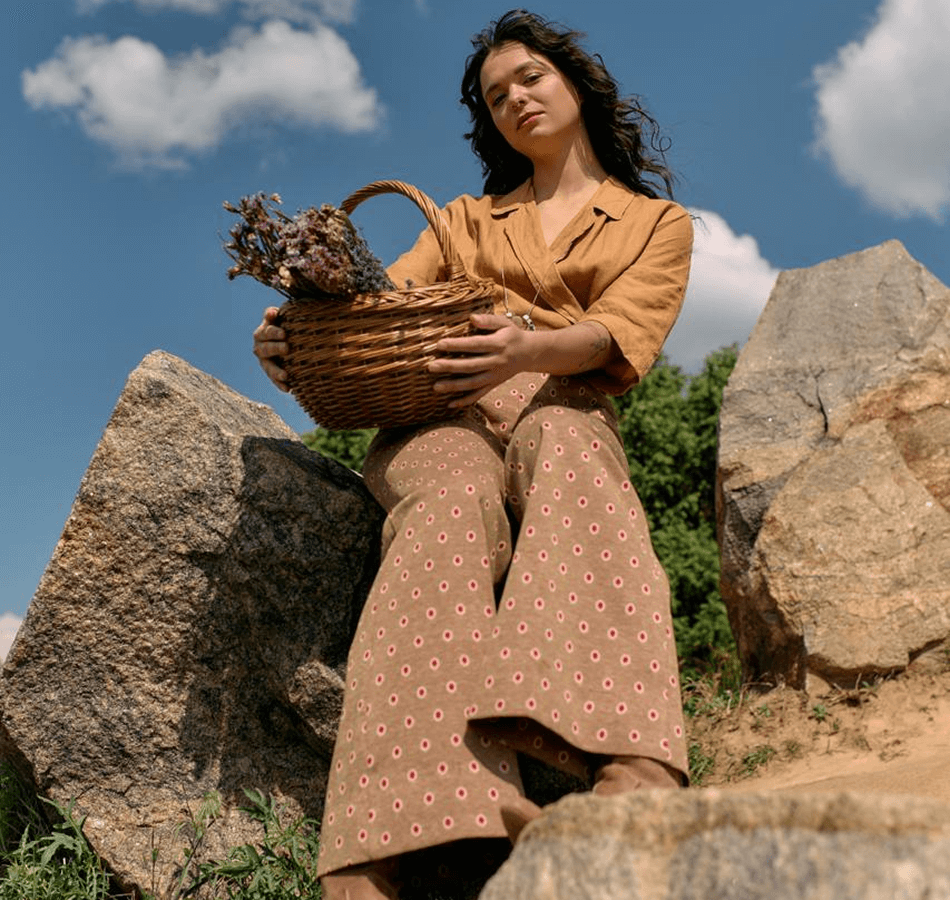
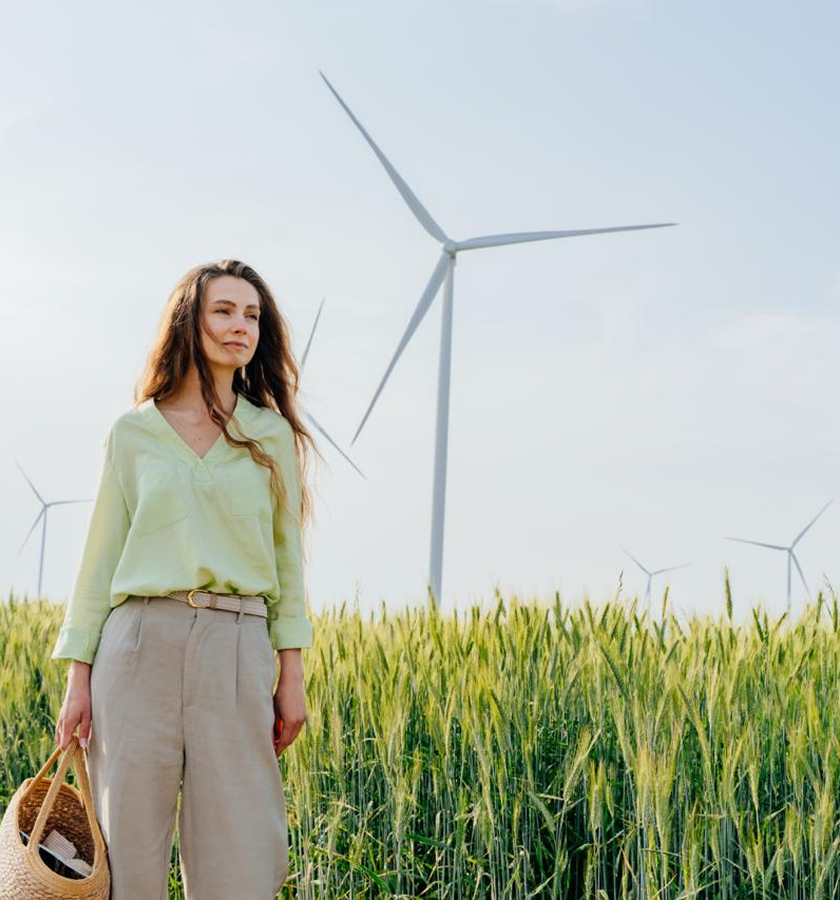
Life-First: a different design brief
Most brands begin with a moodboard. We begin with a question: What has to stay alive for this garment to exist? Life-First, for Verdure Atelier, is not a slogan. It is a sequence of decisions, in this order:
1. Planet first
- Can this piece be created without taking a life—human or animal?
- Can we reduce water, land and chemical use at every stage, from fibre to finish?
- Can we design for long wear, not fast replacement?
2. People first
- Who touches this garment before it reaches the wardrobe—farmers, weavers, cutters, finishers?
- Are they treated as partners in craft, not invisible labour?
- Can we build pricing that respects hands, not just margins?
3. Personal legacy
- Will this piece still feel relevant a decade from now?
- Can it be repaired, re-tailored, re-styled rather than retired?
- Will it become part of someone’s story, not just their storage?
Only after these questions are answered do we talk about hemlines, lapels, buttons, or the fall of a shoulder.
Beyond leather: the future of heritage pieces
For decades, certain materials were framed as the pinnacle of status: exotic skins, rare hides, rarefied animal fibres. They were marketed as “investment pieces” even as their production eroded the very ecosystems that made them possible.
Verdure Atelier takes a different path. We work with next-generation materials—plant-based and bio-engineered alternatives—chosen not just because they avoid animal harm, but because they open a new aesthetic language:
- Surfaces that age with character, not crack with guilt.
- Textures that can trace back to regenerative agriculture, not deforestation.
- Finishes that allow a wearer to feel dressed, not dressed up.
The aim is simple: to create heirloom-grade pieces without a single life lost in the process.
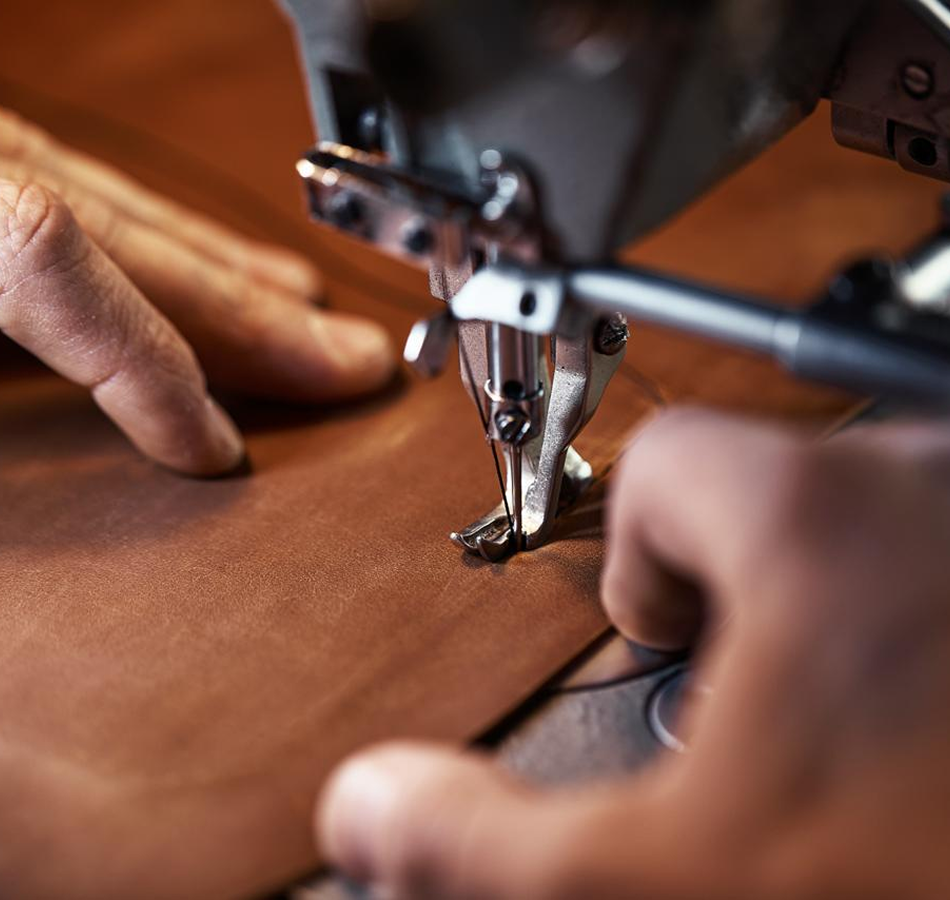
From ownership to guardianship
Traditional fashion asks: What do you own? Life-first fashion asks: What do you protect? Every Verdure Atelier piece is designed with the idea that the wearer becomes a guardian— of the materials, of the craftsmanship, of the stories embedded in each seam. That is why our pieces are:
- Season-agnostic: built around form and function, not throwaway trends.
- Repair-friendly: structured so tailoring, mending and re-finishing extend life instead of ending it.
- Traceable: gradually moving towards full transparency—from fabric origin to final stitch.
Clothes that last are kinder to the planet. Clothes that mean something are kinder to the self.
The quiet confidence of wearing your values
There is a confidence that doesn’t need logos, and an ease that doesn’t need explanation. It comes from wearing a coat and knowing:
- No animal suffered for this lining.
- No river was knowingly poisoned for this colour.
- No craftsperson was pushed into invisibility so that a label could shine.
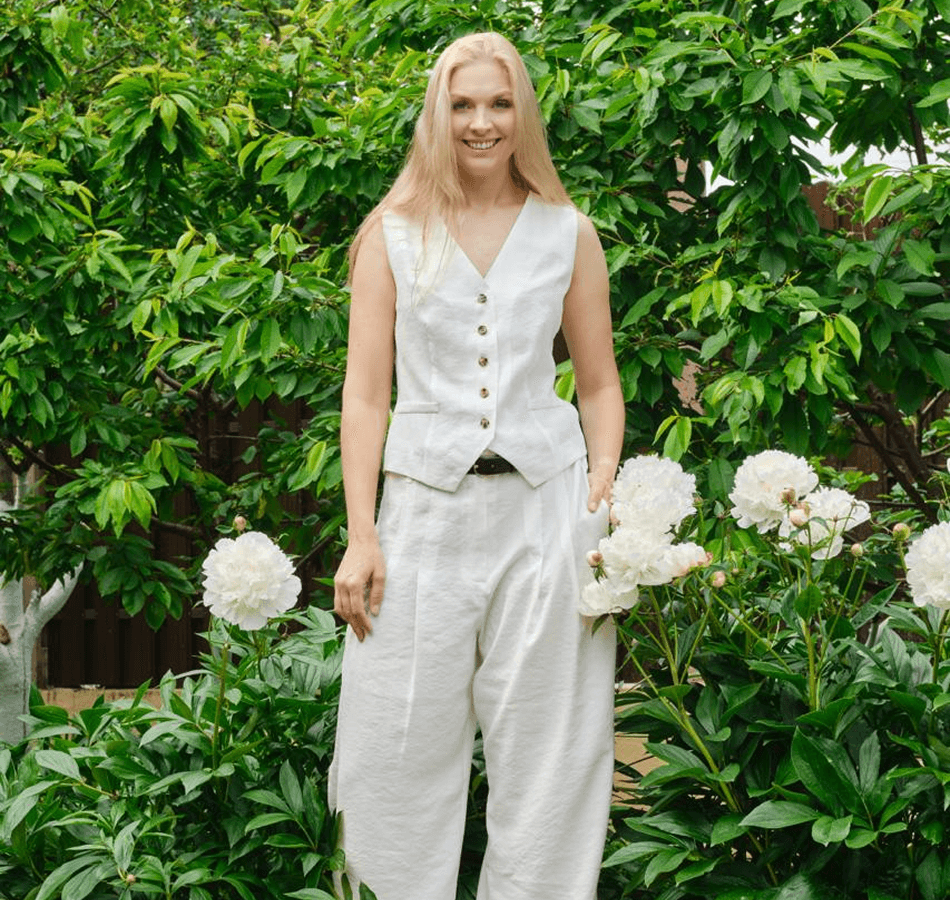
We are not interested in shouting. We are interested in designing garments that allow a person to walk into any room—boardroom, gallery, airport lounge, family dinner—and feel that what sits on their shoulders is aligned with what sits on their conscience.
Why Verdure Atelier exists now
We are living through a rare convergence of possibilities. Science is giving us materials that were impossible a decade ago. Consumers are asking harder questions than ever before. The planet is quietly, urgently, asking us to slow down.
Verdure Atelier sits at this intersection with a simple promise:
To create pieces that you can reach for on your most important days—promotion announcements, first flights to new cities, long-awaited reunions—without the aftertaste of harm. Our ambition is not to be the loudest brand in the room, but the calmest. Not to dress more people, but to dress people better.
An invitation
Open your wardrobe tomorrow and pause for a second.
Ask not, “What will make me look important today?”
Ask, “What will allow me to live lightly, and still feel deeply myself?”
Verdure Atelier is being built for that moment.
Life first. Always.
Related Journals
Oct 09, 2025
Beauty Without Harm
The luxury and apparel industries continue to scale faster than the planet can sustain. Global apparel emissions reached
step inside the story
Sep 23, 2025
Fashion Animal
Animal-derived materials remain embedded across luxury fashion, , but the evidence base has sharpened—and regulators.
step inside the story
Aug 07, 2025